Nullam dignissim, ante scelerisque the is euismod fermentum odio sem semper the is erat, a feugiat leo urna eget eros. Duis Aenean a imperdiet risus.

Black and white screen

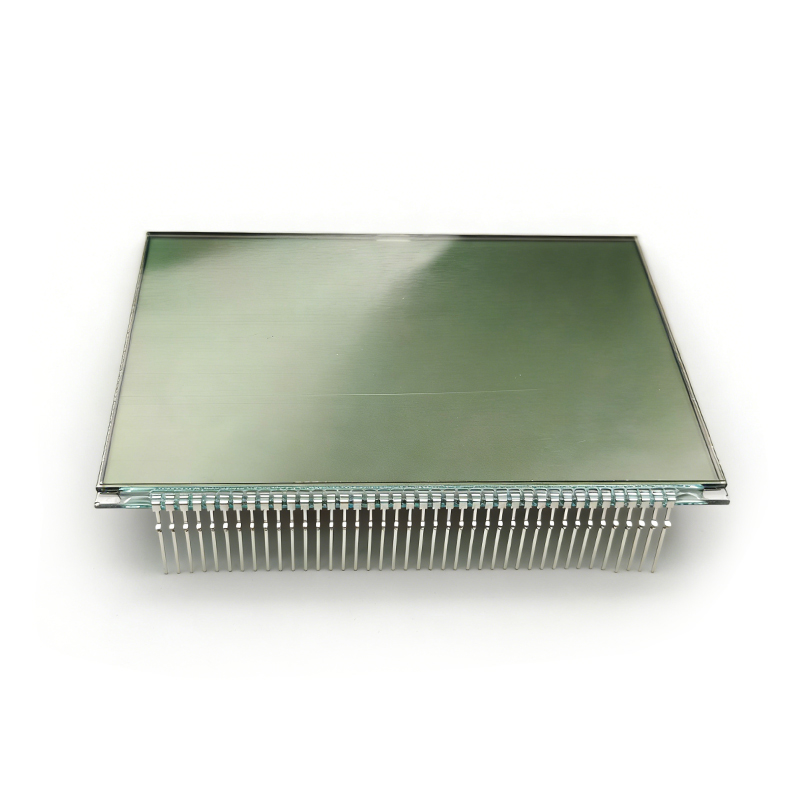
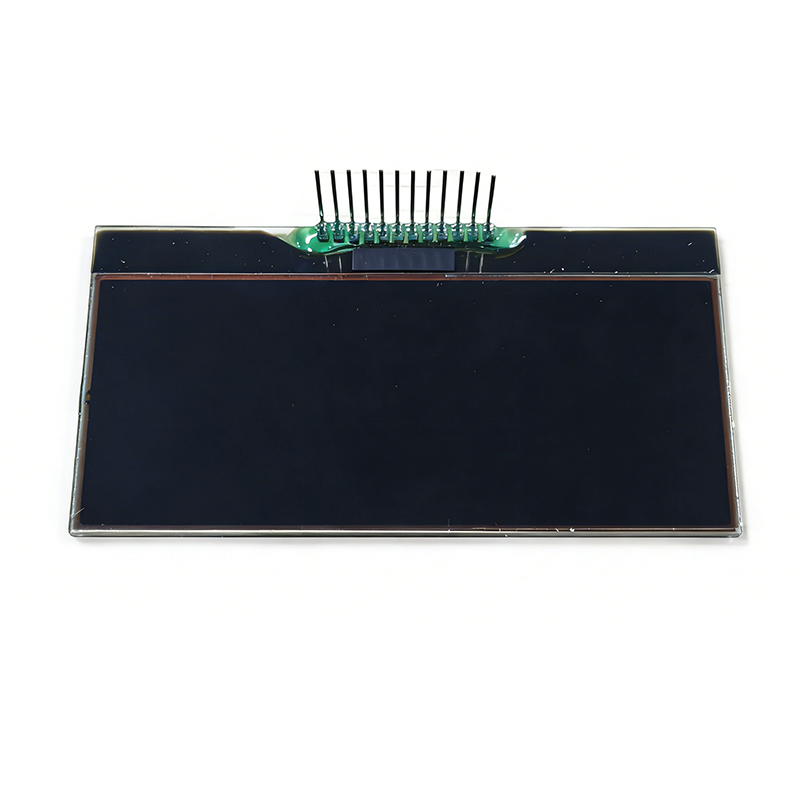
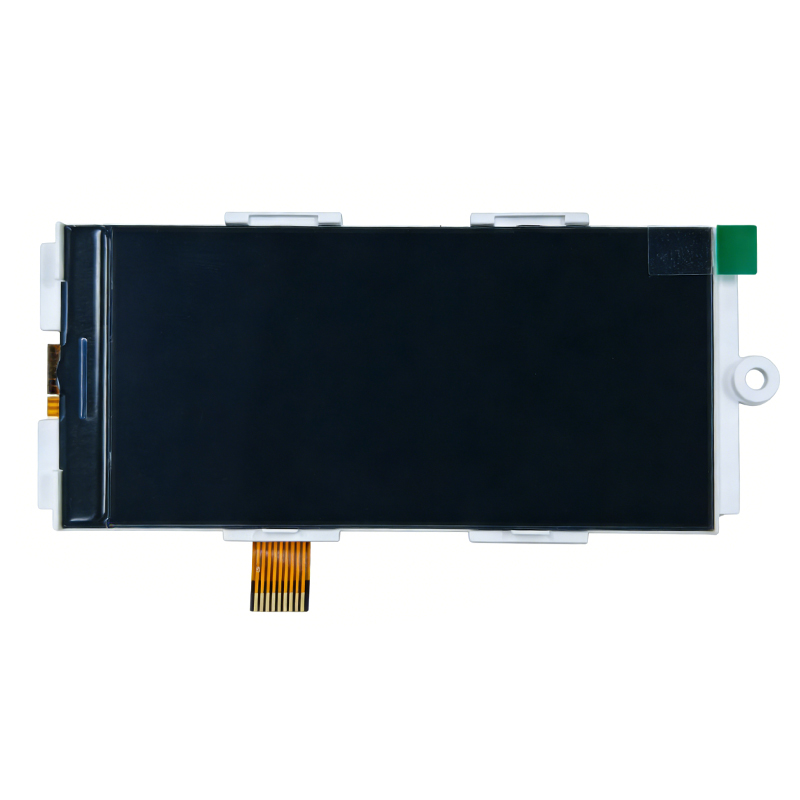
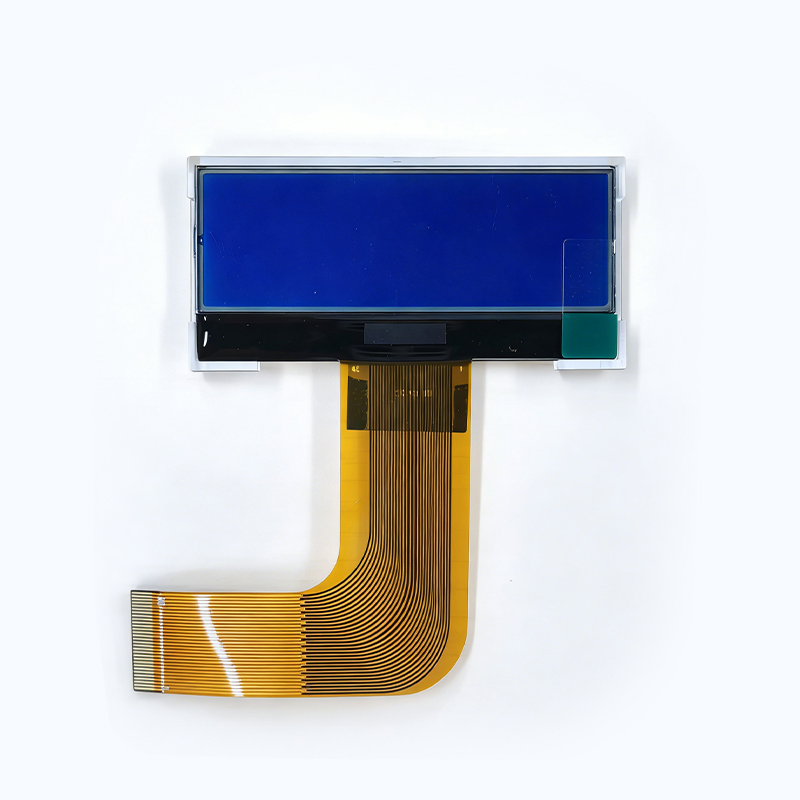
A monochrome display screen is a display device that only supports black and white and different grayscale levels, without color rendering. It emphasizes low power consumption and high reliability, and is suitable for scenarios requiring simple information presentation. Based on its technical principles and imaging methods, it can be divided into four categories: monochrome LCD, monochrome OLED, e-ink screen, and monochrome LED dot matrix screen.

FAQ

Frequently Asked Questions

faq3
FPC breakage in LCD displays may be caused by several factors, including: the bending radius being too small, less than the design allowable value (generally ≥3 times the FPC thickness); or the tensile force during assembly exceeding the tensile strength of the FPC (approximately 50-100 N/cm² for standard FPC).
The main reasons are: A. Unstable driving voltage, VCOM voltage drift, and a mismatch between the TFT common electrode voltage (VCOM) and the pixel voltage, leading to unstable electric field at mid-gray levels. B. TFT switching leakage current; excessive off-state leakage current in the TFT transistor when it is off causes a decrease in the pixel voltage holding ratio (VHR) (required >90%).
A. Signal Transmission Link Issues Poor contact, oxidation of the connector, or poor/damaged cable quality in signal cables (such as HDMI, DisplayPort, VGA) can cause digital signal transmission errors or interruptions. Additionally, excessively long signal transmission distances or strong electromagnetic interference can also cause signal distortion. B. Graphics Processing Unit or Driver Issues Outdated, incompatible, or incorrectly installed graphics card (GPU) drivers. The graphics card itself may malfunction due to overheating, overloading, or hardware aging, failing to properly render and output image signals. C. Display Screen Malfunctions Physical damage to the display's internal timing controller, driver IC, or the LCD panel itself. Poor contact or damage to the ribbon cable (the flexible circuit connecting the driver board and the LCD panel) is also a common hardware cause of screen flickering.
A. Improper Refresh Rate Settings or Signal Desynchronization An excessively low screen refresh rate setting (e.g., below 60Hz) in the operating system or graphics card driver, or a refresh rate not supported by the display, can lead to poor image stability. A mismatch between the output resolution or timing of the input signal source (such as a computer) and the display's optimal parameters can also cause synchronization problems. B. Unstable Power Supply A malfunctioning power adapter, power board, or internal DC-DC converter circuit supplying power to the display can cause ripple or fluctuations in output current and voltage, directly affecting the stable operation of the backlight driver and motherboard chips, resulting in flickering. C. Backlight Dimming Mechanism Issues Especially for displays using PWM (Pulse Width Modulation) dimming, at low brightness settings, if the PWM frequency is low, the human eye can easily perceive rapid changes in backlight brightness, resulting in flickering. Some displays may also exhibit jitter under AC frequency interference.
about-us
Core Display Module

Register now to get our core display modules as soon as possible.

We are committed to providing customers with reliable core display modules, in-depth customization support, highly competitive prices, and a wide range of technical options to empower your innovation.

    Your Name*

    Email*

    Tel*

    WhatsApp*

    Message*

    Products
    Contacts
    WhatsApp
    Email